To make challenge coins last, clean them with a soft dry cloth, never use metal polish, store each coin separately in a dry place and display them out of direct sunlight. Custom Coins HQ makes coins in hard enamel, soft enamel, printed, antique and 3D styles, and each one needs only light, consistent care to keep its finish.
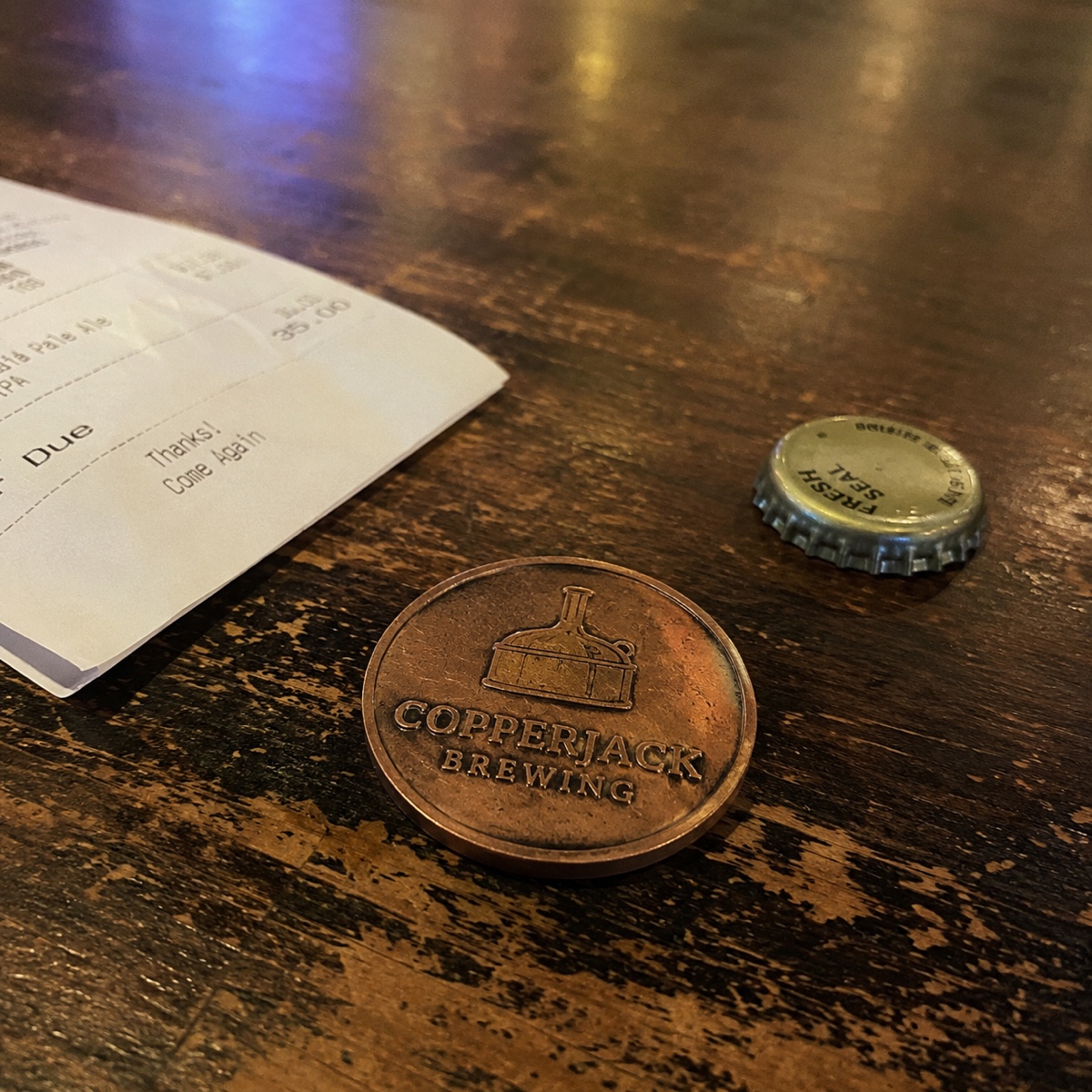
- Clean challenge coins with a soft dry microfiber cloth; never use metal polish or silver dip.
- Antique-finish shading is part of the plating, so antique coins should never be polished.
- Store coins individually in pouches, capsules or cases so they never rub against each other.
- Custom Coins HQ returns a free mockup within 24 hours, so you can choose a style that suits how the coins will be used.
How should you clean a challenge coin without damaging the finish?
The safest way to clean a challenge coin is a soft, dry microfiber cloth and a light touch. Wipe away fingerprints and dust, work gently around raised metal and enamel, and stop there. Most coins never need more than that, and every extra step adds a little risk to the plating and the color fill.
Fingerprints are the most common problem. Skin oils sit on polished gold and silver plating and slowly dull the surface, so a quick wipe after a coin has been passed around is worth the habit. For grime that a dry cloth will not lift, slightly dampen the cloth with plain water, wipe, and dry the coin completely right away.
- Use: a clean microfiber cloth, a soft brush for recessed areas, plain water only when needed.
- Avoid: metal polish, silver dip, abrasive pads, toothpaste, baking soda and household cleaners.
- Never: soak a coin, run it through a dishwasher or scrub enamel with a stiff brush.
Metal polish deserves a special warning. Polish is designed to remove a thin layer of surface metal, which is exactly what you do not want on a plated coin. A few rounds of polishing can wear through bright plating at the high points of the design and leave the base metal showing.
Why should you never polish an antique-finish coin?
An antique-finish challenge coin gets its look from deliberate darkening in the recessed areas and brighter metal on the raised details. Polishing removes that contrast, so the coin loses the aged, dimensional look that made you choose antique plating in the first place. Clean antique metal coins with a dry cloth only.
The same logic applies to any finish that relies on contrast. On antique metal coins, the shading is part of the design, not tarnish. On die-cast 3D coins, sculpted relief catches light across many levels, and an aggressive cleaning routine can soften the highlights that give the sculpt its depth.
If a coin looks dull, the cause is usually skin oil or dust rather than real wear. A careful dry wipe restores most of the shine. When a coin seems truly worn, keep it as it is: on a carried coin, a bit of honest wear is part of its story, and a polished-bright coin next to its well-traveled siblings often looks out of place.
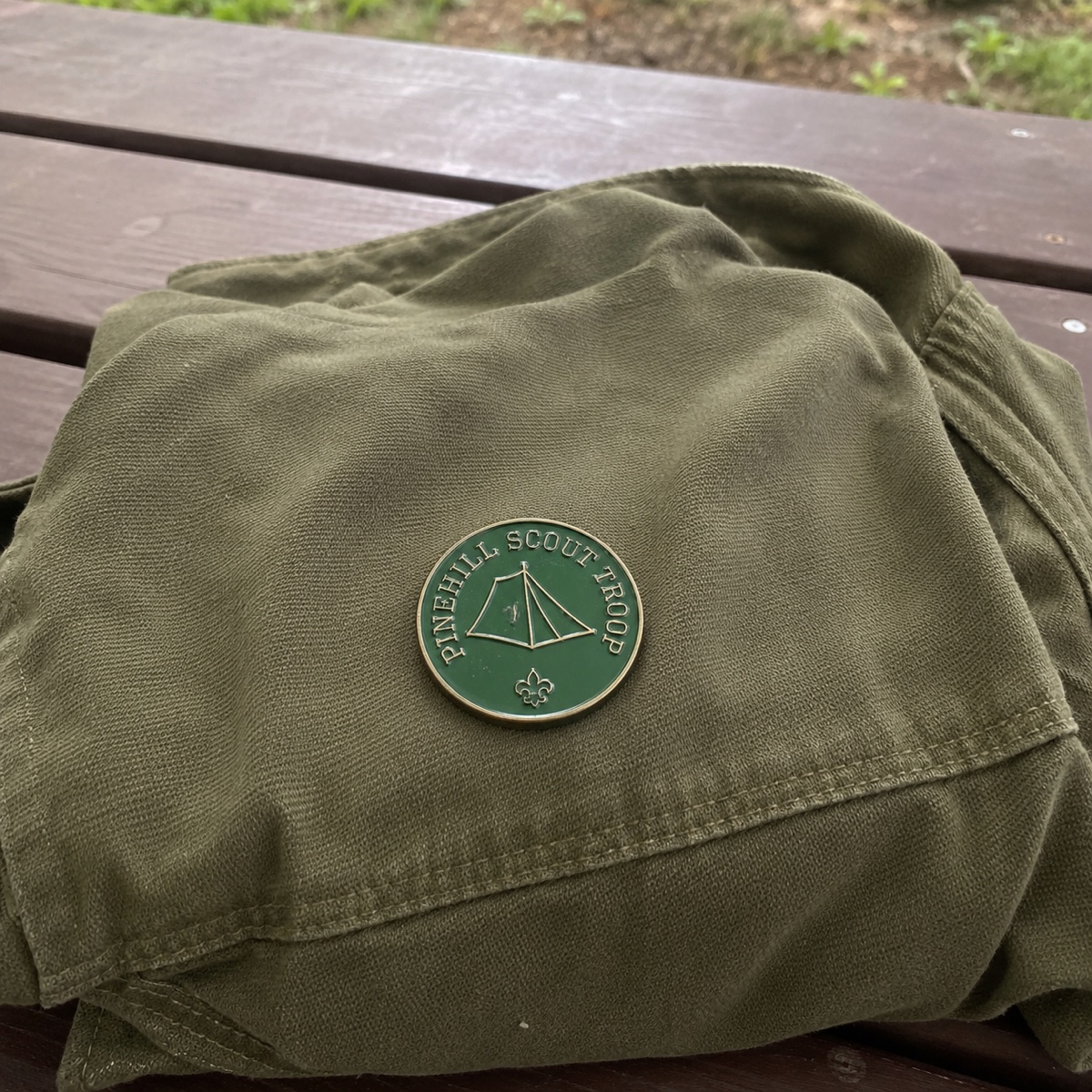
How do soft enamel, hard enamel and printed coins differ in day-to-day care?
Each challenge coin style asks for slightly different handling. Hard enamel coins are the easiest to live with because the enamel is polished flush with the metal. Soft enamel coins have recessed color that can trap dust. Full-color printed coins protect the print under a clear dome or coating that you should keep away from scratches.
| Coin style | What to watch | Care tip |
|---|---|---|
| Hard enamel | Smudges on the smooth, flush surface | Dry microfiber wipe; the flat face cleans easily |
| Soft enamel | Dust settling in recessed color areas | Soft brush first, then a gentle wipe of raised metal |
| Full-color printed | Scratches on the protective dome or coating | Store in a capsule or pouch; avoid keys and loose change |
| Antique metal | Losing the shaded contrast | Dry cloth only, never polish |
| Die-cast 3D | Dust in deep relief | Soft brush to reach the sculpted levels |
If you already know how a coin will be used, mention it on your quote request. A coin that will live in a pocket and a coin that will sit in a presentation case can reasonably end up with different style recommendations, and Custom Coins HQ can talk through that tradeoff on the free mockup.
What is the best way to store challenge coins between presentations?
Store challenge coins individually, in a dry place at room temperature, inside whatever packaging they arrived in or in clear capsules. The goal is to stop coins from touching each other, because coin-on-coin contact is how most scratches happen. A box of loose coins rattling in a desk drawer will show wear long before anyone carries one.
Organizations that present coins over months, such as a unit, a department or an HR team running a recognition program, usually keep a small working stock close at hand and the rest sealed. That way only a few coins get handled at a time.
- Keep each coin in its own pouch, capsule or case slot.
- Store the box somewhere dry, away from heaters, damp basements and direct sun.
- Handle coins by the edge when moving them, not by the face.
- Label boxes by design and version so a presenter grabs the right coin.
- Note the plating, enamel colors and style on the box so a future reorder can match the batch.
Avoid storing coins in rubber bands, plastic bags that trap moisture or containers with strong chemical smells. If the coins came in protective sleeves, leave them in place until the moment of presentation.
How can you display challenge coins so they look good and stay protected?
The best challenge coin displays hold each coin securely, keep it out of direct sun and let viewers see the design without touching it. Wall racks, shadow boxes, desktop stands and display cases all work, as long as coins sit in individual slots or capsules rather than piled together on a shelf.
Displays matter more than many first-time buyers expect. A coin collection on an office wall or in a station day room becomes a record of service, deployments, events and milestones. Protecting that record is mostly about avoiding light, dust and handling.
- Shadow boxes with a glass front keep dust off and suit memorial or retirement presentations.
- Wall racks show a growing collection and let a coin be lifted out for a coin check.
- Single-coin stands work on a desk, especially for custom-shape and spinner coins that look best upright.
- Clear capsules are the simplest upgrade for any display and protect both faces.
Strong sunlight is the quiet enemy of color. Placing a display on a wall that never gets direct sun helps keep enamel and printed colors looking the way they did on the day the coin was presented.
Can you carry a challenge coin every day without ruining it?
Yes, challenge coins are made to be carried, and the tradition depends on it. A coin that rides in a pocket will pick up honest wear over time, and many owners like that. To slow the wear, carry the coin in a small pouch or a dedicated pocket, away from keys, phones and loose change.
Carry coins are a different job from display coins. Members of military units, fire companies and police departments often carry a coin for coin checks, while a commemorative or anniversary coin may never leave its case. If your order includes both uses, consider whether the carry version benefits from a more forgiving style.
Hard enamel and well-plated die-struck metal hold up best to pocket life, while printed coins are happiest in a case. Recessed soft enamel color is protected by the raised metal around it, which is one reason soft enamel remains a popular choice for coins that get handled often. Custom Coins HQ can recommend a style when you describe how the coins will be used.
What should you tell recipients about caring for their coins?
A short care note helps recipients keep a challenge coin looking right for years. Tell them to wipe it with a soft dry cloth, skip the metal polish, keep it in its pouch or capsule and store it somewhere dry. One or two lines on a presentation card is enough, and most people appreciate the guidance.
Presenters can reinforce the message at the moment of handoff. Handing a coin over in its capsule or case signals that it is meant to be kept, while handing it over bare in a handshake signals that it is meant to be carried. Both are part of challenge coin tradition, so choose the one that fits your occasion.
If you want a consistent experience for everyone who receives a coin, plan the packaging, the care note and the presentation together before you order. Custom Coins HQ returns a free mockup within 24 hours, with unlimited free revisions, and you pay nothing until you approve the design. The minimum order is 12 coins, and standard turnaround is about 2 weeks from approval, with faster turnaround available through express shipping. Start with a custom quote request and describe how the coins will be carried, stored and displayed.
Frequently asked questions
How often should challenge coins be cleaned?
Challenge coins only need cleaning when fingerprints, dust or grime become visible, not on a fixed schedule. A quick dry wipe with a microfiber cloth after a coin has been handled is usually enough. Coins kept in capsules or shadow boxes may go a very long time without any cleaning at all, which is the best outcome for the plating and the enamel.
Can I use silver polish or jewelry cleaner on a challenge coin?
Challenge coins should never be cleaned with silver polish, jewelry dip or metal cleaner. Those products remove a thin layer of metal, which can wear through plating at the high points of the design and strip the shading from antique finishes. Custom Coins HQ recommends a soft dry cloth, with a little plain water only for stubborn grime, followed by thorough drying.
Will an antique-finish coin look darker or lighter over time?
Antique-finish challenge coins keep their designed contrast as long as nobody polishes them. The darkened recesses and brighter raised areas are part of the plating, not tarnish to be removed. Light handling may gently brighten the highest points over the years, which many owners find attractive. Store antique coins in capsules and clean them with a dry cloth only.
Are clear capsules safe for long-term challenge coin storage?
Clear capsules are one of the simplest ways to store challenge coins long term. A well-fitting capsule protects both faces from scratches, fingerprints and dust while still showing the full design. Choose a capsule sized to the coin so it does not rattle inside, and keep capsuled coins somewhere dry and out of direct sunlight for the best results.
Can sunlight fade the colors on a challenge coin?
Challenge coins displayed in strong, direct sunlight for long periods can see enamel and printed colors lose some vibrancy. Printed coins are the most sensitive because the image sits under a clear protective layer. Placing coin racks and shadow boxes on walls that avoid direct sun keeps colors closer to how they looked on the free mockup from Custom Coins HQ.
What is the best way to ship a challenge coin to someone else?
Challenge coins travel best inside a capsule or pouch, then wrapped and packed snugly in a small padded mailer or box so the coin cannot slide around. Avoid sending a bare coin in a thin envelope, where it can wear through or arrive scratched. Including a short care note in the package helps the recipient keep the coin looking right.
Should I remove the protective sleeve before displaying a coin?
Challenge coins that arrive in a protective sleeve or film can stay covered until the moment they go on display or into a presentation case. The sleeve guards polished plating against fingerprints and scratches during storage and transport. Once a coin is in a capsule, shadow box or rack slot, the sleeve can come off so the full design is visible.
How should a unit or department store a large stock of coins?
Challenge coins kept as an organization's stock should stay in their individual packaging inside labeled boxes, stored somewhere dry and at room temperature. Keep a small working supply for presenters and leave the rest sealed. Custom Coins HQ also suggests recording the style, plating and enamel colors on the box so a later reorder can match the original batch.
Do coins carried in a pocket need a pouch?
Challenge coins carried every day last longer in a small pouch or a pocket of their own. Keys, phones and loose change are the main causes of scratches and worn plating on carried coins. A pouch still lets you produce the coin quickly for a coin check while keeping its face protected the rest of the time.
Can a scratched or worn challenge coin be restored?
Challenge coins with scratches or worn plating cannot really be restored at home, and attempts with polish or abrasives usually make the damage worse. Many owners keep a worn carry coin as it is, since the wear reflects its history. When a pristine replacement is needed, Custom Coins HQ can reorder from your approved design with a minimum of 12 coins.
Which coin style holds up best for a coin that will be handled often?
Challenge coins that will be handled constantly usually do best in hard enamel or die-struck metal, because the color sits flush or is protected by raised metal edges. Printed coins look sharp but prefer a case. Describe the intended use on your quote request and Custom Coins HQ will suggest a style on the free mockup within 24 hours.
Get a free mockup for your coins
Send your logo or idea and the quantity you have in mind. Custom Coins HQ returns a free mockup within 24 hours, you approve the design before anything is produced, and standard turnaround is about two weeks with faster options available. Get a custom quote.